Energy
Contents
The word energy is derived from the Greek word meaning energos meaning activity. Energy is a characteristic of the system which describes the ability of the system to perform some work. According to the international system of units, in honor of the English physicist James Prescott Joule-in (1818 – 1889), a unit of measure for energy is called the joule (J). Important feature of energy is that energy can neither arise nor perish, and therefore the amount of energy in a closed system is always constant. This energy feature is called the energy preservation law, which was first set in the 19th century. All known natural processes and phenomena can be explained with several forms of energy according to the following definitions: kinetic energy, potential energy, thermal energy, gravity, elasticity, electromagnetic energy, chemical energy, nuclear energy and mass.
Energy can be neither created nor be destroyed.
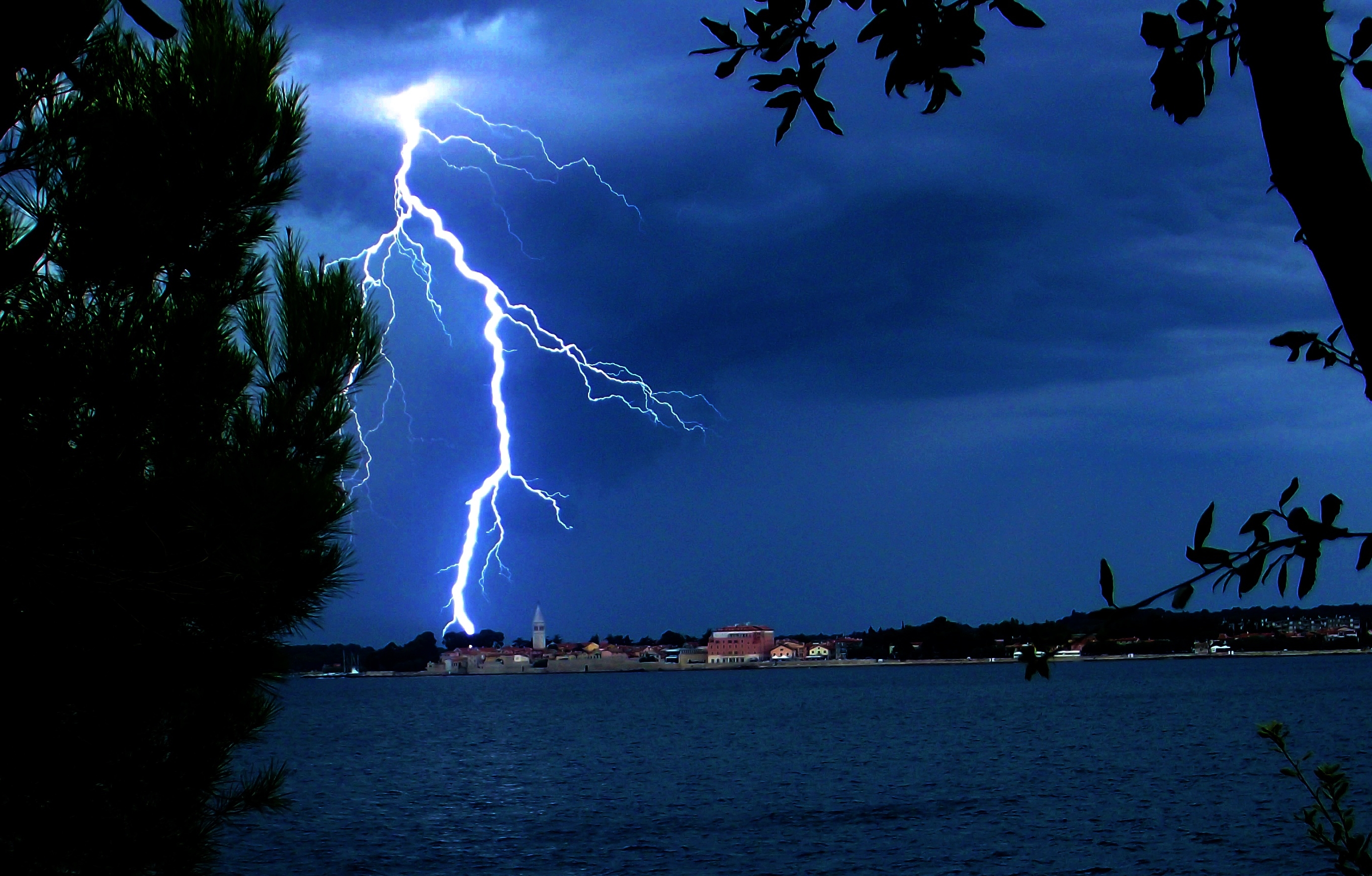
Although energy cannot arise or disappear, energy can be transformed from one form to another. Transformation of energy from one form to another is called work or power. In the honor of Scotsman engineer and inventor James Watt (1736 – 1819) unit of measurement for work is called the watt (W). One watt is the work done in one second to transform one joule of energy from one form to another (W = 1 J/s). From this definition it can be seen that watts actually express the rate of transformation of energy from one form to another. Sometimes, as the unit of measurement for energy is also used the unit watt-hour (Wh). One watt-hour is constant work (power) of one watt in the period of one hour, and is therefore 1Wh = 1 J / s * 3600s = 3600J. For the amount of spent or generated electricity there are usually used the multipliers of Wh measuring unit, such as kWh, MWh and GWh (kilowatt-hour, megawatt-hour and gigawatt-hour).
The automobile industry typically uses expression horse power for expressing the maximum power used by the engine. There are several definitions of horsepower, but in automobile industry the most important are two of them: mechanical horsepower and metric horsepower. Mechanical horsepower is about 746 W, and metric horsepower is about 735.5 W. Manufacturers usually express the power of automobile in form of mechanical horse power, but sometimes for the purposes of the “beautification” figures are also used in form of metric horsepower, especially for exotic sports cars.
THE SUN AS THE ENERGY SOURCE
The main energy process in the Sun is nuclear fusion: E = mc²
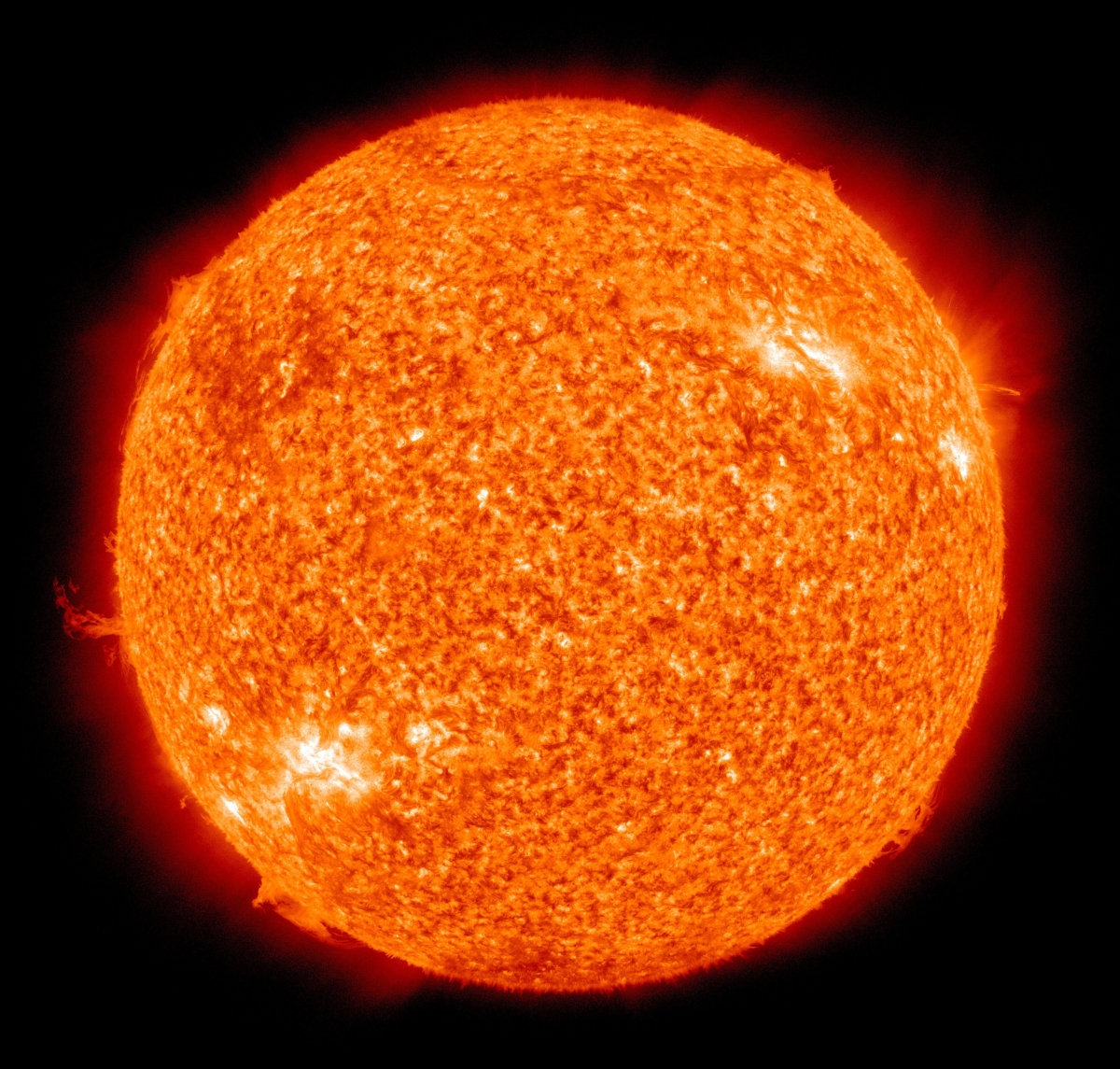
The sun is by far the biggest source of energy in our solar system. Because of its relatively small size in comparison to other stars, and because it is yellow, the sun belongs to the class of stars which are called yellow dwarf. Although it is relatively small if we compare it with other stars, the sun is a giant compared to planets that surround it – the mass of Sun is about 99.8% the mass of our entire solar system. For easy understanding of how big the Sun really is the next exemplary data can be useful: 962,000 copies of entire Earths could fit inside the Sun, and in the gaps between the balls we could still squeeze approximately 340,000 “melted” Earths. Therefore in order to fill volume of the Sun we had to use about 1,300,000 Earths.
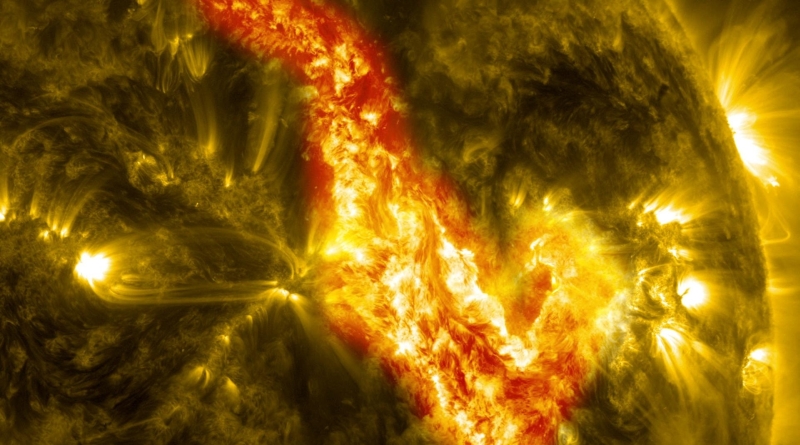
The main energy process that takes place in the Sun is nuclear fusion, which is melting of the two light atoms into one heavier atom, with the release of energy proportional to difference of masses before and after the reaction (according to Einstein’s formula E = mc²). Nuclear fusion is responsible for conversion of approximately 700,000,000 tons of hydrogen to about 695,000,000 tons of helium every second in the Sun, and the difference of 5,000,000 tons is converted by Einstein’s formula in the energy, in the form of gamma radiation. When these 5,000,000 tons per second we turn into the work, we can calculate how the power of the Sun is around 386 billion billion megawatts. Just for comparison: the largest nuclear power plant in the world is a Japanese nuclear power plant Kashiwazaki, which has seven operating reactors and the total power of 8,212 MW. At any time Earth is receiving 174 petawatts (1015 W) of solar radiation from the Sun.
FORMS OF ENERGY
As we already mentioned in the introduction all currently known natural processes and phenomena can be explained with a few basic forms of energy. Below are some of these energy forms enumerated and explained in more details.
- Potential energy – Potential energy is defined as the work that is done against the given force by changing the position of the observed object in relation to a reference position. The name “potential energy” comes from the assumption that this energy can be easily converted to useful work. This is not quite correct for all systems, but helps the understanding of the potential energy theory. The two most obvious types of potential energy are gravitational potential energy and elastic potential energy. Gravitational potential energy is the energy associated with gravitational force and works between any two objects that have mass. It is proportional to the mass of objects, and inversely proportional to the distance between objects. Elastic potential energy is potential energy of some elastic object, such as springs, catapults, etc. It occurs as a consequence of forces that are trying to move object back to the original position; these are in most cases electromagnetic forces in atoms and molecules that form the object. The best example of exploiting gravitational potential energy are large hydroelectric power plants where the potential energy of water is converted into kinetic energy, which then drives turbines to generate electricity.
- Kinetic energy – Kinetic energy or energy of the movement is the energy required to accelerate a certain object to a certain speed or energy of the object at a certain speed in relation to a reference object. According to classical mechanics kinetic energy is proportional to the mass of the object and the square speed of the object. At speeds that are comparable to the speed of the light, kinetic energy can no longer be calculated using equations that apply to regular classical mechanics. Instead of that we must use the theory of relativity. Energy of the object that is moving at speeds comparable to speed of light can be calculated using Lorentz’s transformations under which an object that is moving at the speed of light should have an infinite energy, so it is therefore impossible to accelerate an object to the speed of light. Example of exploiting the kinetic energy is converting wind energy into electricity in windmills.
Kinetic energy of an object is the energy that it possesses due to its motion.
- Thermal energy – Thermal energy is the energy of random movement of microscopic particles that form the object. Thermal energy of the object increases with temperature. Thermal energy is transferred from one object to another because of differences in temperature. Heat is transferred in three basic ways: conduction, radiation and convection. Heat conduction is the spontaneous transition of thermal energy through matter from warmer to colder parts. Convection is the flow of gases where warmer liquid flows towards the colder liquid transferring the heath to the environment. Warmer body radiates stronger electromagnetic radiation, because the warmer the body is the more energy there is and vibration of electric charge is also increased. This radiation heat can be transferred from one body to another. Thermal energy can be directly used for heating or indirectly to obtain other forms of energy. For instance, the thermal energy stored within the Earth – geothermal energy – can be used to generate electricity.
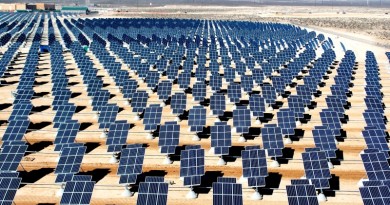
- Electricity – Electricity is a form of potential energy in the Coulomb force field in which the particles of the same charge are repulsed, and particles of the opposite charge are attracted. Electrical energy is undoubtedly the most important form of energy used by humanity since it is relatively easy to transport and most importantly – it can be easily converted into other useful forms of energy such as kinetic and thermal energy. Electricity is currently produced mostly from fossil fuels (mainly from coal). Since fossil fuels have a negative impact on the environment and in limited quantities, there is an increased need to use alternative methods of power generation such as the exploitation of solar energy, water energy, geothermal energy, wind energy and other renewable energy sources.
-
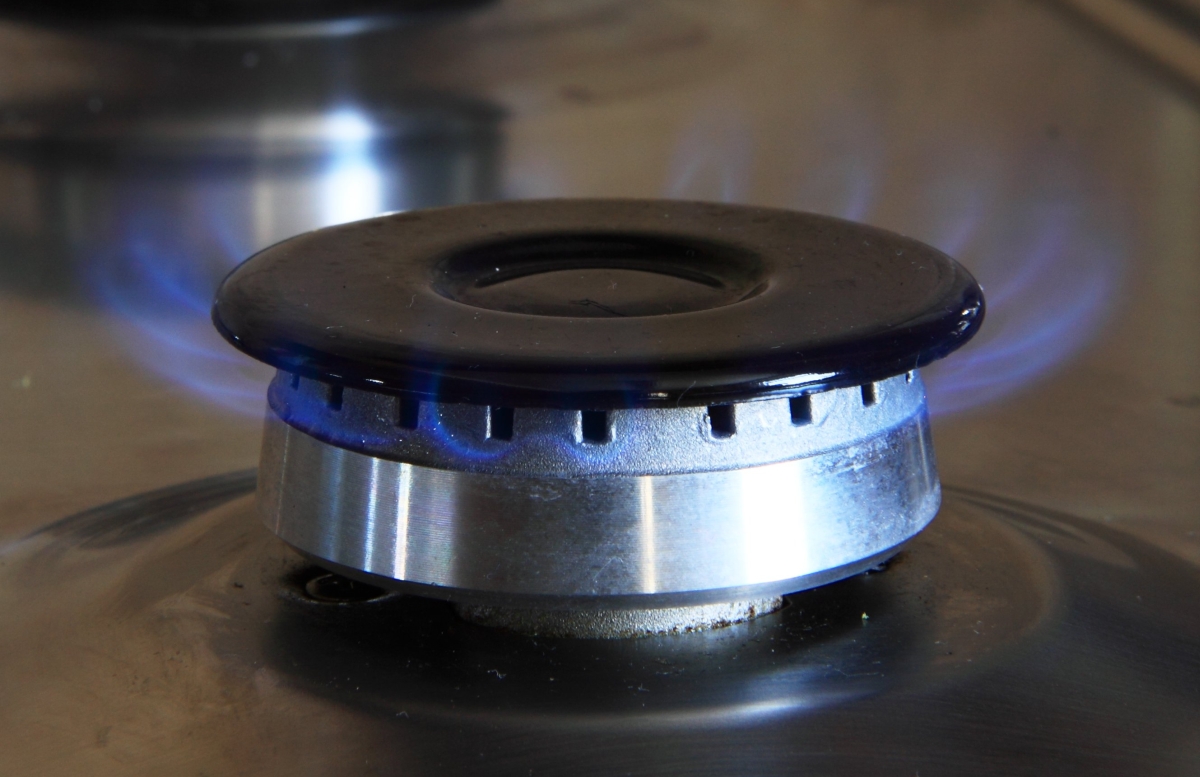
Chemical energy Chemical energy – Chemical energy can be defined as the work that is done by electrical forces during rearrangement of the electrical charges – protons and electrons – in chemical processes. If the chemical energy of the system decreases in the chemical reaction this means that the difference is emitted in the environment in the form of light or heat, and if the chemical energy increases, this means that the system has taken from the environment a certain amount of energy, usually in the form of light or heat. Fire is for instance a form of shifting the chemical energy into heat and light, and can occur only if three basic conditions for a chain reaction are met: the presence of sufficient amounts of oxygen, presence of the burning materials and presence of sufficient amount of heat. Examples of exploiting the chemical energy are fossil fuels. When burning fossil fuels release heat that is then through the pressure converted into kinetic energy, or is used for heating some liquid for the purpose of vaporization of this liquid and to obtain kinetic energy. Coal-fired power plants are example of converting chemical energy into electricity.
- Nuclear energy – Nuclear energy is the energy that is produced by the processes of nuclear fusion or nuclear fission. Nuclear fusion is the joining of two or more light atoms into one heavier with the release of certain amounts of energy in the form of various radiations. Nuclear fission also involves releasing specific amounts of energy in the form of various radiations, but this energy is the result from splitting the heavy atoms into two or more lighter atoms. In both these processes the mass before the reaction is always bigger than the mass after the reaction, and the difference in masses is converted into energy according to Einstein’s formula E=mc2. Solar energy is a consequence of constant nuclear fusion that takes place in the center of the star, and then in the form of radiation comes to the surface and is afterwards radiated to space. Researches that could mean better exploit of nuclear fusion on earth are still at an early stage, in the form of the international ITER project, but for now there is no indication that nuclear fusion could be heavily exploited in years to come. But on the other hand nuclear fission is simple enough process that is widely used in nuclear reactors to generate electricity.
ENERGY VALUES – COMPARISON
Normal (100 g) chocolate has energetic value of about 2.3 MJ. One liter of gasoline fuel has an energy value of about 34 MJ and weighs approximately 730 grams. Thus if the cars could drive on the chocolate one liter of gasoline should be replaced with about a kilogram and a half of chocolate.
| Contained in | Energy in J | Energy in btu |
|---|---|---|
Liter of gasoline fuel | 34 MJ | 32.200 btu |
Liter of diesel fuel | 38.7 MJ | 36.720 btu |
One kilogram of chocolate | 23 MJ | 21.780 btu |
One barrel of crude oil (around 159 liters) | 6,123 MJ | 5.800.000 btu |
Li-ion battery (density) | 540-720 kJ/kg | 511 – 682 btu/kg |
kWh of electricity | 3.6 MJ | 3,412 btu |
Natural gas (m2) | 38.3 MJ | 36,241 btu |
Kilocalories (calories, food) | 4,184 J | 3.96 btu |
Metrical ton of coal | 29 GJ | 27,467,300 btu |
Ton of uranus-235 | 7,4 x 10¹⁶ J | 70 x 1012 btu |
A normal AA battery has about 1000J of energy stored in it and this is enough only for very small applications like MP3 players. Large consumers usually use a series of batteries and this principle can be used to drive the car. One of the best produced electric cars was the Nissan Altre that could reach 120 km/h, and with only one filling car range was around 190 km. This car used li-ion battery. Better Li-Ion batteries have the energy density of about 720 kJ / kg and this capacity is the basic flaw of all electric cars. One tank in the average car has about 50l and if you take a car that normally uses gasoline fuel, this means that one tank of fuel has around 1700 MJ of energy. We should have about 2360 kg heavy li-ion battery that could store the same amount of energy as the fuel tank of 50l, but electric motors are much more efficient in using energy than gasoline engines and to obtain the same efficiency they do not require the same amount of energy. This is only approximate comparison in order to obtain an indication of batteries as a power source.
All energy sources that have been mentioned so far can be in no way compared with the nuclear energy.Uranium-235 has density of energy per kilogram of material for about six orders of magnitude greater than the density of energy in the coal or any other fossil energy sources. This is because nuclear energy is the result of the mass converting into energy according to the well-known Einstein’s formula E=mc², and for other energy sources the sum of masses remains unchanged after reaction.
FOOD ENERGETIC VALUE AND LOSING WEIGHT
| Calories in gram | |
|---|---|
Carbohydrates | 4 kcal |
Proteins | 4 kcal |
Fats | 9 kcal |
Alcohol | 7 kcal |
In order to describe the energy value of food we mainly use kilocalories or calories (kcal). As with HP, with calories there are also some definitions that differ a little, but the most usual definition of kilocalories is the energy needed to heat one kilogram of water for 1 ° C from 14.5 °C to 15.5 °C on standard atmospheric pressure of one atmosphere – which is about 4.184 kJ. When we want to describe energetic value of the food we usually use term calories instead of proper term kilocalories. A person who is moderate athlete and weighs around 80 kg needs around 28-30 kcal per kilogram of its weight, which is somewhere around 2320 kcal of energy per day. Professional athletes, for example marathon runners, need around 50-60 kcal / kg per day of energy and therefore a professional athlete weighing around 80 kg needs around 4400 kcal of energy per day.
In order to calculate energetic value of certain food we’ll take the example of normal (100 grams) chocolate. Energetic value of this chocolate is around 550 kcal (around 2300 kJ), and this is energy needed for 100 W light bulb to give maximum light for slightly more than 6 hours and 23 minutes. This same energy of 2300 kJ is enough to lift a car that weighs one ton from surface of the Earth to a height of 234.45 meters in the air.
According to some estimates, a person who weighs 70 kg and is doing more serious jogging consumes about 560 kcal per hour. Let’s assume that a person that weighs 75 kg that is using proper diet to maintain that weight wants to lose five kilos by not changing her/his dietary habits. In this case it is necessary to increase the physical activity of the body in order to create an energy deficit so our person has decided to do one hour of jogging each day. If we assume that person in this case is losing both proteins and fats we can get the figures that in order for this person to lose one gram of his weight an energy deficit of 6.5 kcal is required. By doing one hour of jogging person can lose about 86 grams, and this is the daily amount of weight loss. With this pace person will lose five kilograms in little less than two months. Jogging is defined as the running with average speed of less than 10 kilometers per hour.
CONCLUSION
The modern lifestyle involves much greater use of energy in order to achieve the greater efficiency and comfort, so the energy use is increasing each day. Currently, world energy needs are mostly satisfied by using the fossil fuels that are harmful to environment, and in the future these fuels will have to be replaced with cleaner energy sources, mostly in the form of renewable energy or nuclear energy. As you can see from this article, currently available energy is more than enough to cover all possible future energy needs, all what is needs is to find ways to clean and safe exploitation of various energy sources, of course, with the gradual reduction of the oil lobby influence, which is making life difficult for all energy sources that aren’t under their control.
Energy needs are constantly growing affecting everyday life in much of the modern world and this has turn energy into one of the main strategic resources of developed countries. If we take a look at history books we can see how various wars have resulted due to lack of water, lack of food, different religious reasons or because of a desire for territory expansions. Recently wars have also started in order to maintain stable energy supply by occupying areas filled with different energy sources. The best example is the occupation of oil rich Iraq by the US military forces in order to control the oil supply. This occupation, together with ever-increasing energetic needs of developing countries has caused a substantial increase in price of oil products which are later reflected indirectly in the increased prices of nearly all products. Renewable energy sources are likely to become the primary sources of energy in years to come, making wars for energy something that can be found only in history books, which could make entire world much more peace-loving.